
IiSGM researchers advance the preclinical development of a neuroprotective eye drop for the treatment of glaucoma
A study carried out by the Renal Pathophysiology Laboratory and Telara Pharma, a spin-off of the Institute.
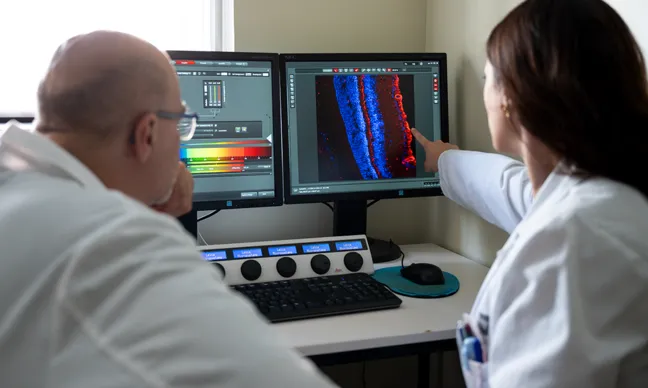
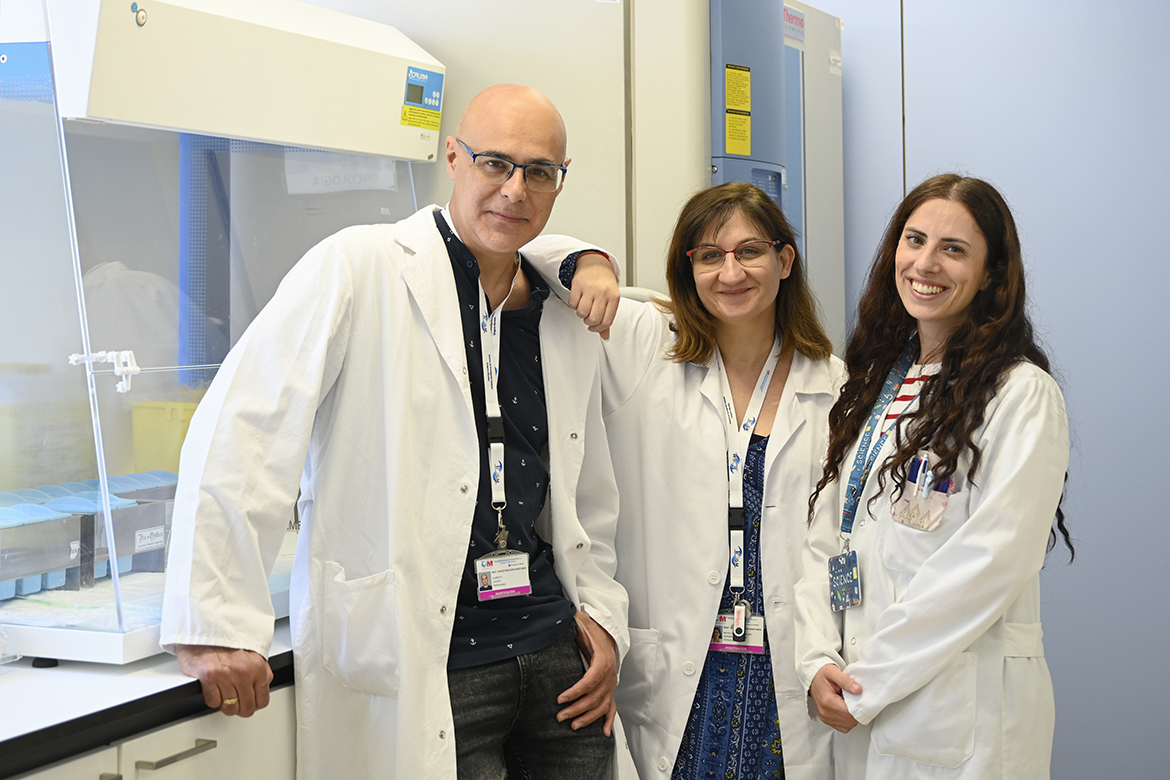
Researchers from the Renal Pathophysiology Laboratory at the Gregorio Marañón Health Research Institute (IiSGM) are driving the preclinical development of a neuroprotective eye drop for the treatment of glaucoma, a neurodegenerative disease of the retina that can cause progressive and irreversible loss of vision. The aim of this project is to demonstrate that this solution protects retinal neurons against the progressive damage associated with this ocular condition.
The development of the eye drop is based on a new indication identified for cilastatin, a drug used in combination with an antibiotic that has demonstrated its effectiveness in protecting retinal neurons and modulating inflammation in the retina in an animal model of glaucoma.
Through Telara Pharma, an IiSGM spin-off established as a result of this line of research, the preclinical studies necessary to guarantee a safe and effective development are currently being carried out. Once this stage has been completed, the aim is to initiate a phase I clinical trial in 2027 to evaluate this formulation in humans.
Available treatments for glaucoma focus mainly on reducing intraocular pressure, one of the disease’s main risk factors, but do not act directly on its neurodegenerative component. As a result, many patients continue to lose vision despite treatment: more than 40% do not respond to the available drugs and 10% develop total blindness over a period of between 7 and 15 years.
In this context, the search for neuroprotective strategies represents a particularly important line of research to complement current therapies and help preserve patients’ vision and quality of life.
An ongoing line of research
This advance enables an innovation originating in the IiSGM’s research environment to continue its journey towards new biomedical applications, strengthening the Institute’s role in translational research and the transfer of knowledge in the service of patients.
This work stems from a line of research developed over several years by the IiSGM’s Renal Pathophysiology Laboratory focusing on cilastatin. In 2017, its researchers demonstrated this molecule’s ability to protect the kidneys against the toxicity of certain commonly used drugs, opening up a line of research aimed at preventing acute kidney failure in patients exposed to potentially nephrotoxic treatments.
This research journey has now made it possible to advance towards a new potential therapeutic indication in the field of ophthalmology. In collaboration with researchers from the Complutense University of Madrid, the team has demonstrated in experimental models of glaucoma that cilastatin has a neuroprotective and anti-inflammatory effect on the retina.