

The Instituto de Investigación Sanitaria Gregorio Marañón participates in eight research groups of the CIBER Consortium
Currently heads the cardiovascular diseases thematic area
The Instituto de Investigación Sanitaria Gregorio Marañón participates in seven thematic areas of the Consorcio de Investigación Biomédica en Red (CIBER), whose main objectives include translating the knowledge generated by its researchers into practice.
The CIBER Consortium is one of the strategic initiatives of the Instituto de Salud Carlos III to structure biomedical research in Spain, and Hospital Gregorio Marañón is one of the centres with the greatest participation in this scientific programme, which promotes excellence in Biomedical and Health Sciences research carried out within the National Health System and the Science and Technology System.
Specifically, the Instituto de Investigación Sanitaria Gregorio Marañón is responsible for the direction of CIBER’s Cardiovascular Diseases thematic area (CIBERCV). It is made up of 40 research groups, whose scientific director is Javier Bermejo, head of the Cardiology Department at Hospital Gregorio Marañón. He took over from Francisco Fernández-Avilés in July 2023, who had been head of the department at the same centre.
Mental health and HIV
In addition, Gregorio Marañón leads groups linked to other areas. Thus, within the CIBER de Salud Mental (CIBERSAM) there is the group led by Celso Arango, director of the centre’s Institute of Psychiatry and Mental Health, and Manuel Desco, head of the Experimental Medicine and Surgery Department at Marañón.
Dr Arango leads a research group recognised for its work in the field of schizophrenia in childhood and adolescence and early-onset psychosis. Dr Desco, meanwhile, heads another research group with a particular focus on medical imaging and, more specifically, neuroimaging.
María Ángeles Muñoz, head of the Immunology section and director of the Marañón Biobank, is also the principal investigator of one of the groups in the area of Bioengineering, Biomaterials and Nanomedicine (CIBER-BBN). The group she leads focuses its studies on HIV/AIDS, paediatrics, immunology and ageing, among other areas.
Meanwhile, CIBERES, which is dedicated to the study of Respiratory Diseases, includes the group led by Patricia Muñoz, head of the hospital’s Microbiology and Infectious Diseases Department. Its research areas include severe lower respiratory tract infections, infections caused by bacteria and catheter-related infections, as well as those affecting immunocompromised and transplant patients.
Leaders in specific groups
In addition, Marañón also leads its own CIBER groups focused on the areas of Oncology (CIBERONC), Liver and Digestive Diseases (CIBEREHD), Frailty and Healthy Ageing (CIBERFES), and Infectious Diseases (CIBERINFEC).
Miguel Martín, head of the Medical Oncology Department, leads a group within CIBERONC that works to promote research aimed at individualising cancer treatment, tailoring the treatment selection to provide each patient with more therapeutic options and lower toxicity.
The CIBEREHD group led by Rafael Bañares, head of the Digestive Diseases Department, conducts clinical and experimental research across various areas of Hepatology and Gastroenterology.
José Antonio Serra, head of the Geriatrics Department, heads a group integrated into CIBERFER. Its research programme focuses on the study of frailty and prevalent diseases in older patients, as well as the implementation of interventions aimed at preventing disability and dependency associated with hospitalisation.
María Luisa Navarro, coordinator of the Paediatric Infectious Diseases section, leads the Infectious Diseases in the Paediatric Population research group at the Instituto de Investigación Sanitaria del Hospital Gregorio Marañón, whose activities range from epidemiological, clinical and translational research to the development of clinical trials.
Related links
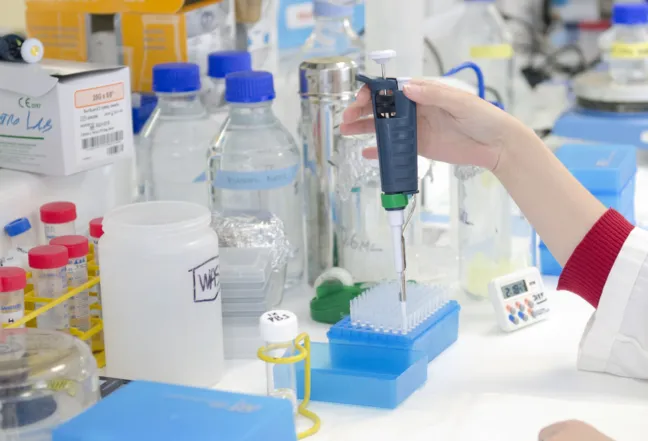
It is one of the centres with the highest participation in this scientific programme, which promotes research excellence in Biomedicine and Health Sciences